

01
The user interacts with a control surface.
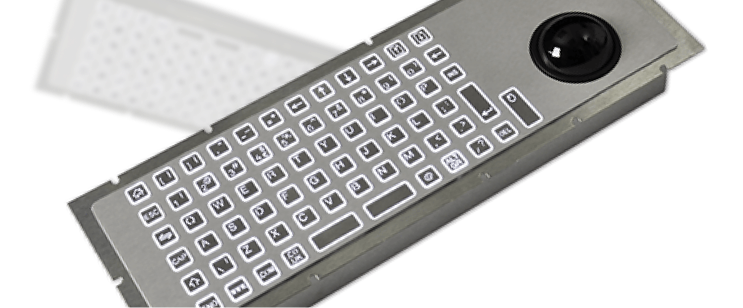
Custom keypads are purpose-built control interfaces used to let a person operate a device, machine, instrument, or electronic product. Instead of using an off-the-shelf button panel, the keypad is designed around the customer’s product requirements, including layout, dimensions, icons, colors, actuation feel, environmental exposure, and assembly method.
Within the Keypads & Interfaces product family, Custom Keypads belong to the Assemblies group because they are not only one material or one input technology. A custom keypad may combine multiple layers and components into a complete front-panel interface or integrated keypad assembly
Custom keypads are complete or semi-complete user-input assemblies designed around the exact shape, function, branding, environment, and integration needs of a device.
This page focuses on Custom Keypads as product-specific control interface assemblies.
A custom keypad usually sits on the front, top, or accessible control area of the final device. It is the visible interface the user touches, presses, or interacts with during operation. Depending on the product design, a custom keypad may connect to or integrate with:
The keypad is often both a functional input component and a visible design element. It must feel right to the user, fit mechanically into the product, connect reliably to the electronics, and support the product’s expected environment.
A custom keypad translates a user action into a signal the device can recognize.
The user presses, touches, or interacts with a defined control area. The keypad assembly then transfers that action through its selected construction, such as a mechanical dome, conductive rubber contact, membrane circuit, capacitive sensing area, or integrated electronic layer. The result is an input signal sent to the device electronics so the product can respond.
01
The user interacts with a control surface.
02
The custom keypad provides the required tactile, touch, or switching behavior.
03
The circuit or sensing system passes the input to the device.
04
The final product performs the intended function.
The exact working method depends on the selected construction, but the purpose remains the same: to create a reliable, usable, product-specific control interface.
Tactile custom keypads
Best for products where users need clear press feedback and confidence during operation.
Sealed custom keypad assemblies
Used when the interface must help protect against dust, moisture, cleaning, or outdoor exposure.
Backlit custom keypads
Used when the device must be operated in low-light environments or needs illuminated icons, buttons, or status areas.
Graphic-integrated keypads
Best when branding, labeling, color, iconography, or front-panel appearance is a major part of the product design.
Hybrid keypad constructions
Used when the product needs a combination of materials or input methods, such as membrane circuitry with molded features or lighting.
Connector-ready keypad assemblies
Used when the keypad must arrive as a ready-to-install component with tails, connectors, adhesives, or mounting features.
Related option — Rubber Keypads
May be used when the keypad needs molded silicone geometry, strong tactile response, or durable button shapes.
Related option — Capacitive Keypads
May be used when the product needs a flat touch interface rather than physical button travel.
Custom keypads are used in devices where the control interface must match a specific product design, operating environment, and user workflow.
Typical applications include:
They are especially useful when a standard keypad cannot meet the required shape, labeling, durability, connection method, or user experience.
Custom keypads help customers create a control interface that fits the product instead of compromising around standard components.
Key benefits include:
Better product fit
The keypad can be built around the enclosure, PCB position, available space, and mounting method.
Improved user experience
Button size, spacing, icons, feedback, and visibility can be tailored to the intended user.
Fewer separate components
Graphics, input areas, circuits, connectors, lighting, and sealing features can often be combined into one assembly.
Stronger brand presentation
Colors, symbols, logos, finishes, and surface details can support the product identity.
Simpler assembly
Adhesives, connectors, alignment features, and pre-assembled layers can help reduce installation complexity.
Durability by design
Materials and construction can be selected for the expected use environment.
Flexible engineering
The keypad can be adapted to mechanical, electrical, and aesthetic requirements early in product development.
Compact integration
Custom constructions can support thinner, smaller, or more space-efficient control interfaces.
A custom keypad can be built using different materials and technologies depending on the product’s requirements. The best construction depends on the desired feel, appearance, durability, electrical interface, and assembly process.
Common options may include:
Sibling products such as Rubber Keypads, Membrane Switches, Capacitive Keypads, In-Mold Interfaces, and Smart Keypads may describe specific construction approaches in more detail. On a Custom Keypads page, these are best understood as possible methods or related assembly directions, not as the full scope of the page..
A successful custom keypad depends on how well the interface is designed around the final product.
Important considerations include:
Performance depends on the selected construction, operating environment, user behavior, and integration quality.
Depending on the design, materials can be selected for:
Durability is not determined by one layer alone. It comes from the full keypad assembly, including surface material, circuit design, adhesive system, sealing approach, mechanical support, and how the keypad is installed in the final product.
These are adjacent options, not all fully covered on this page. Use the dedicated page when the customer is specifically looking for that product type, construction, component, or technology.
If you are new to Custom Keypads, think of it as a custom-made control panel or button interface built specifically for your product. It is commonly used when a device needs a unique layout, branded appearance, reliable user input, and a construction that fits the enclosure and electronics.
Your questions, answered.
Custom keypads are used to create product-specific control interfaces for devices, machines, instruments, and electronic products. They let users press, touch, or operate controls while matching the product’s layout, branding, enclosure, and electronics.
A custom keypad converts a user action into an input signal for the device. Depending on the construction, this may happen through tactile switching, conductive rubber contacts, membrane circuitry, capacitive sensing, or a hybrid assembly.
Custom Keypads are the broader product-specific interface assembly. Rubber Keypads are one possible construction type that uses molded silicone or elastomeric buttons. A custom keypad may include rubber features, but it can also use membrane, capacitive, graphic, lighting, or hybrid constructions.
Yes. Custom keypads can be customized for shape, size, button layout, graphics, colors, icons, materials, tactile feel, connector type, mounting method, lighting, sealing, and integration with the customer’s device.
Options may include graphic overlays, printed circuits, membrane layers, silicone rubber parts, adhesives, spacers, metal domes, flexible tails, connectors, backlighting features, and protective surface finishes. The final construction depends on the product requirements.
Durability and performance are affected by material selection, circuit design, surface finish, sealing, adhesive choice, actuation method, connector design, environmental exposure, and how the keypad is installed in the final product.
They can be designed for demanding environments when the correct materials, sealing approach, surface protection, and construction are selected. Requirements such as moisture, dust, cleaning chemicals, UV exposure, temperature, and abrasion should be reviewed during design.
Choose Custom Keypads when the product needs a complete interface assembly built around specific mechanical, electrical, visual, and user-experience requirements. Choose a dedicated sibling product page when the main decision is a specific construction type, such as rubber, membrane, capacitive, in-mold, or smart keypad technology.
Get your project done right. Build with ALMAX and we'll begin quoting in just 24 hours.
Learn More