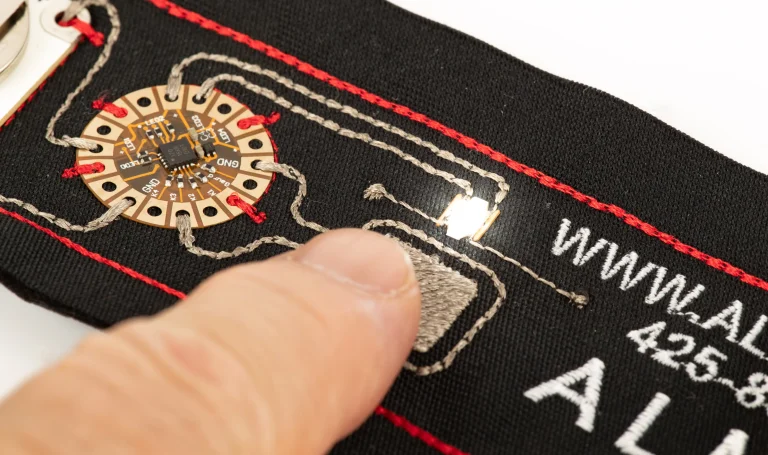
Why Feedback From Tactile Switches is Important
There’s something truly addictive about tactile responses that captivates the human mind, and when it comes to technology, there’s no exception. When human beings interact with electronics, such as the press of a button, and that switch closure talks back, the interaction makes users feel in control. Not only that, but the response can be fairly satisfying, making it a desirable feature.
Switches that utilize this potential are known as Tactile Switches. Knowing how to use these tactile switches properly while designing an interface, gives engineers the power to achieve better interface usability, aesthetics, and overall product quality. There’s a reason why tactile switches are often found in gaming devices, keyboards, and other forms of technology requiring quick, repetitive responses that are also pleasant to use for long duration’s of time.
In order to utilize tactile feedback as an advantage, we have to ask the question: what makes this sensation possible? To start with, it is important to first comprehend what a tactile switch actually is.