


Understanding Flexible Printed Heaters
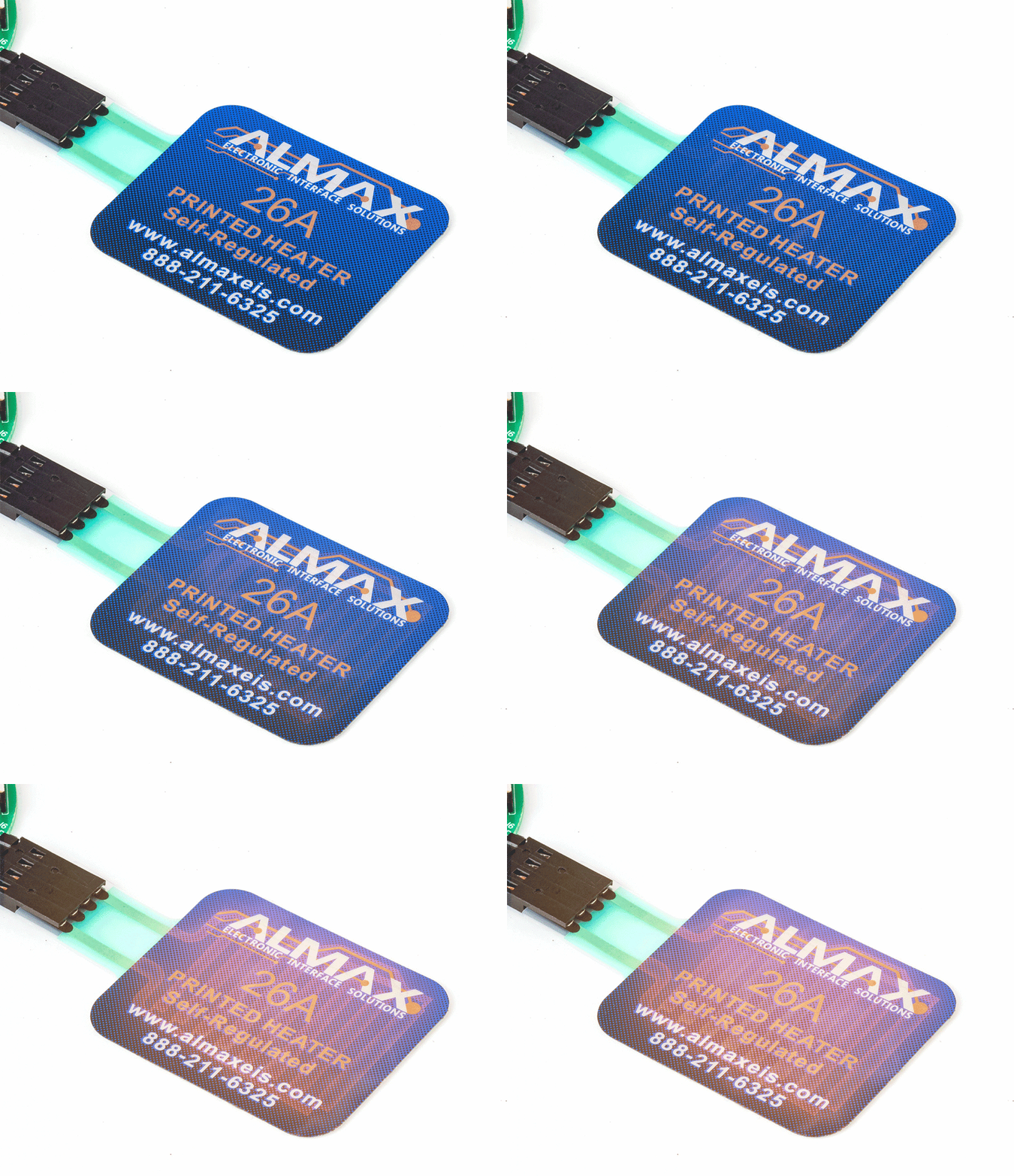
Flexible Printed Heaters, also referred to as custom printed heaters, are state-of-the-art heating devices capable of bending or flexing to adapt to the contours of the surface requiring heat. Unlike traditional wired heaters that employ heavy, rigid wires, flexible heaters harness the power of electrically resistive inks to convert current into heat. This innovative approach allows for precise design and manufacturing, meeting specific operating parameters.
The Mechanics of Flexible Printed Heaters
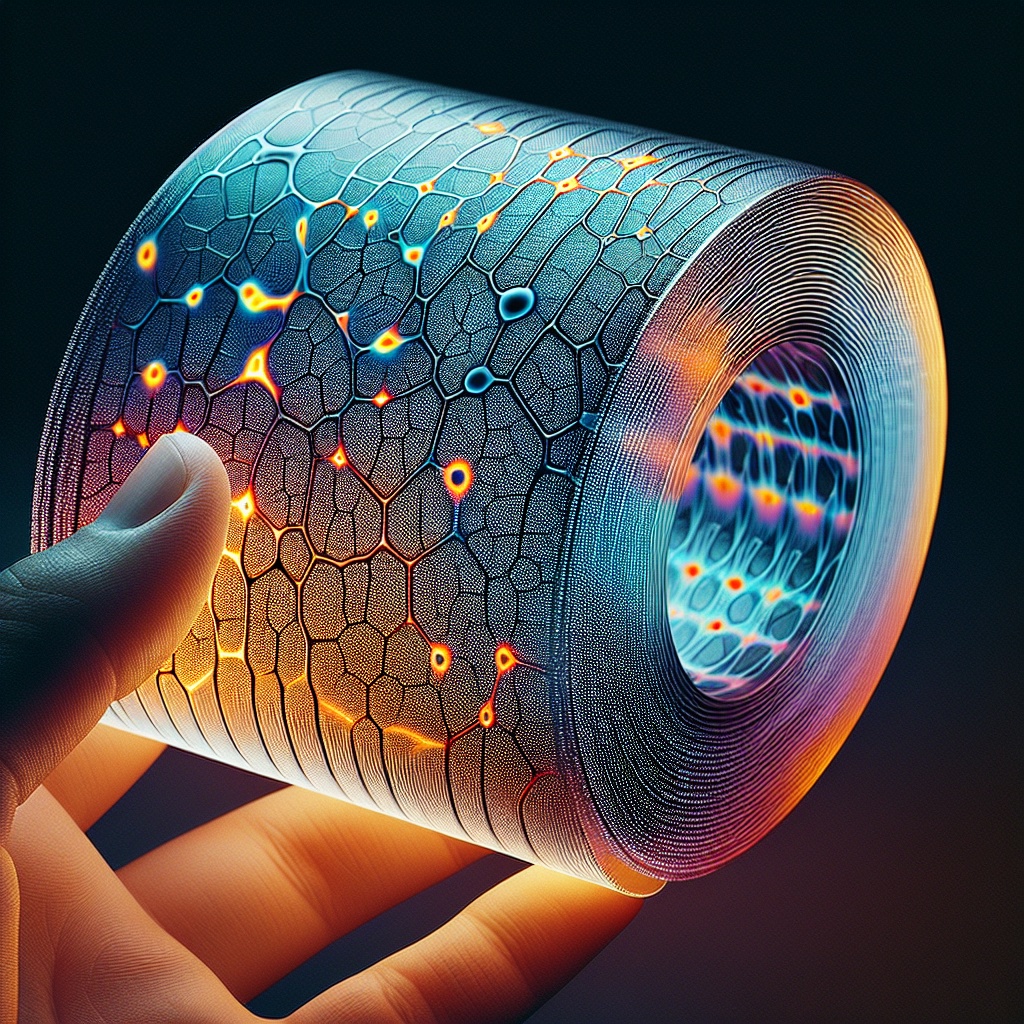
Typically, these heaters are crafted using a blend of conductive and resistive inks that exhibit a Positive Temperature Coefficient (PTC). This property allows them to self-regulate their temperature, acting as heating elements. These inks are then deposited on flexible substrates such as thermoplastic polyurethanes (TPU), polyimide (PI), and polyester (PET) using screen printing.
The pattern and deposition of the inks permit the tailoring of flexible heaters to meet specific operating parameters based on the application. The heaters may have one or more resistive elements, like a printed trace or wire, and each element then converts electricity into heat.
The Advantages of Flexible Printed Heaters Over Traditional Heaters
Flexible Printed Heaters offer several advantages over their conventional counterparts. For one, they provide design freedom. Unlike many traditional heaters, these heaters are flexible and can be made in a variety of shapes and sizes while maintaining a thin profile. This makes them an attractive option for applications that require the heater to conform to complex shapes or fit into tight spaces.
Another prominent advantage is that they are made using additive manufacturing methods making them more eco-friendly and economically produced. When compared to traditional subtractive processes there is practically no waste created or leftover material that goes unused as a byproduct.
Exploring the Types of Flexible Printed Heaters
Several types of Flexible Printed Heaters have been developed, each with its unique set of characteristics and advantages.
PTC Heaters
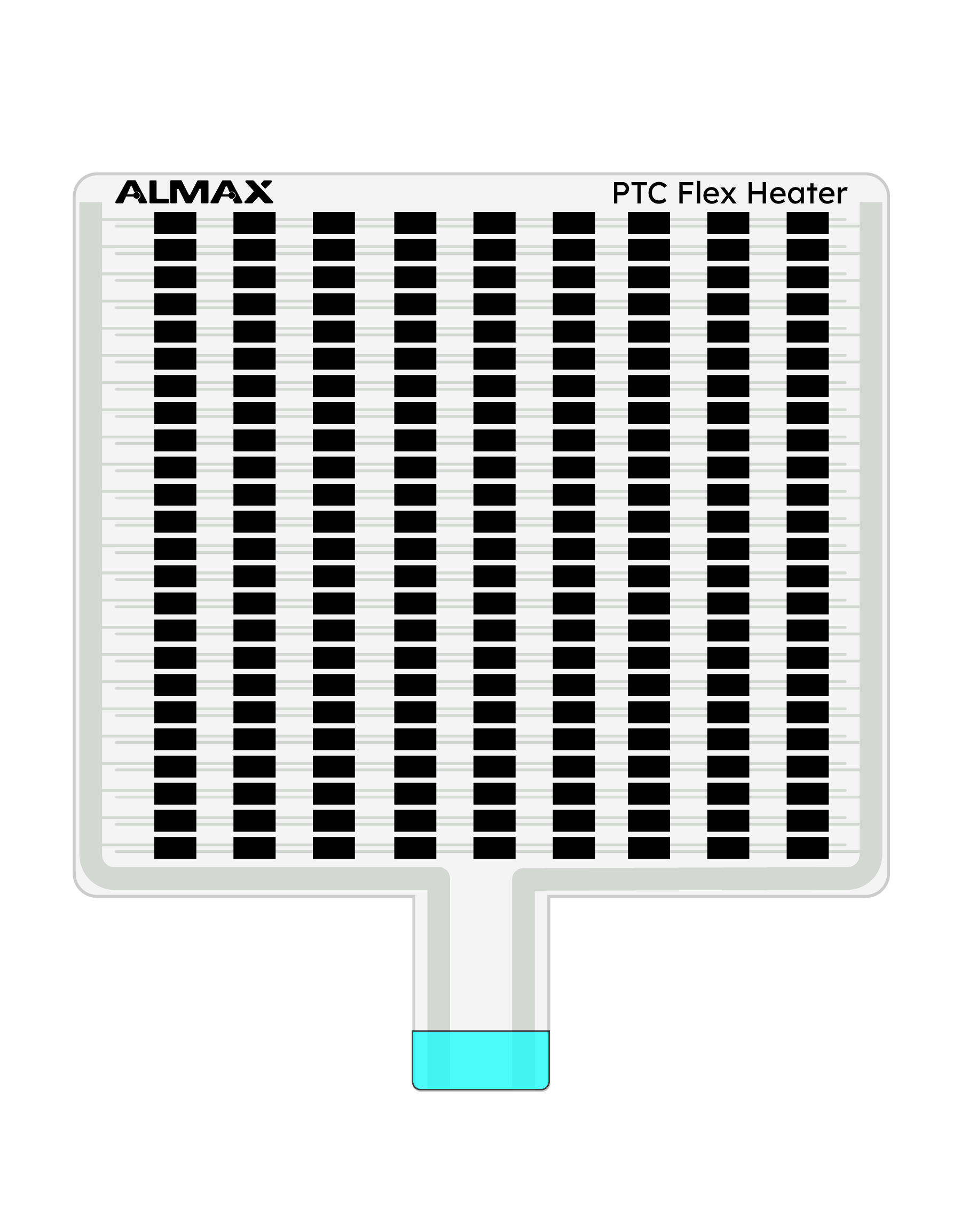
Positive Temperature Coefficient (PTC) Heaters are renowned for their safety, elasticity, flexibility, and ease of use. They are particularly common in garments and wearables. PTC heaters work by producing safe and comfortable low heat. PTC carbons act as electrical resistance and heat up when current is applied.
Fixed Resistance Heaters
Fixed Resistance Heaters are similar to traditional wired heaters. Instead of wiring, these heaters have lines, or traces, of a resistive ink printed onto a substrate material such as PET or TPU. They produce heat themselves and can be regulated via an external controller or battery pack.
The Role of PTC in Flexible Printed Heaters
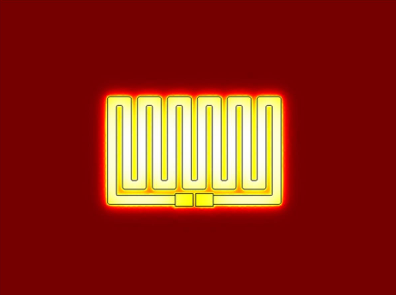
PTC, or Positive Temperature Coefficient, plays a pivotal role in the function of a Flexible Printed Heater. PTC materials exhibit a positive resistance change in response to an increase in temperature. As the temperature rises, the electrical resistance of the material also increases, thus limiting the current flow.
In the context of Flexible Printed Heaters, this means that as the temperature increases, the electrical resistance of the heating element also increases, ultimately limiting current flow. This property allows the heater to self-regulate its temperature, acting as its own sensor and inherently eliminating the risk of overheating.
The Manufacturing Process of Flexible Printed Heaters
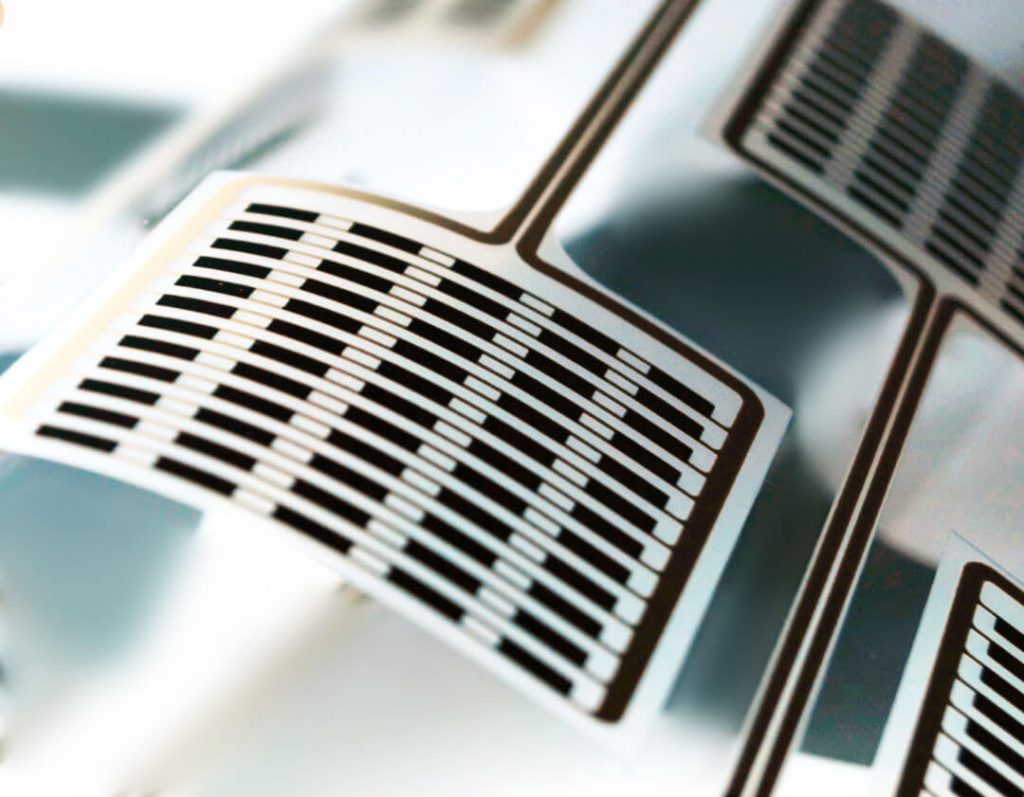
Flexible Printed Heaters use very similar processes for manufacturing via the use of screen printing on thin material substrates. The process involves printing conductive busbars and resistive heating elements onto a substrate. An insulating layer is typically added to protect the printed circuit. The multi-layer heater is then laser- or die-cut into its final shape.
Applications of Flexible Printed Heaters

Flexible Printed Heaters can be incorporated into a vast array of applications, ranging from wearable smart clothing to industrial machinery. Here are just a few of the use cases seen across multiple industries.
Medical Industry
- Heated wraps and braces
- Heated hospital beds
- Heated blankets
- Heated physical therapy equipment
Industrial
Floor heating
Lab heaters
Heaters for manufacturing and industrial machinery
Safety
Heated gloves for outdoor maintenance workers
Heated heavy equipment seats
Heated knee or back braces for workers who are on their feet
Transportation & Automotive Industries
Interior heating
Seat heating
Battery warming
Spacecraft temperature regulation
Temperature sensing
Plane heating
Airplane Wing de-icing
Performance Sportswear & Outdoor Enthusiasts
Heated sleeping bags
Heated tent bases
Heated boots, socks, gloves, hats, or jackets
Military & Defense
Heated compression clothing
Heated gloves, socks, or caps
Heated equipment grips
The Future of Flexible Printed Heaters
Flexible Printed Heaters are not just a current trend, but they also hold immense potential for the future. With the rapid evolution of technology, newer applications of these heaters are being explored. For instance, transparent conductive films, a form of flexible heaters, are likely to be used for cameras built into cars and trucks to keep them operating and clear in cold temperatures.
Furthermore, as the technology surrounding Flexible Printed Heaters becomes more mainstream, it will continue to grow, opening up newer avenues for their application. Thus, Flexible Printed Heaters are not just a present-day innovation but a promising technology for the future as well.
Conclusion
In conclusion, Flexible Printed Heaters are revolutionizing the heating technology sector with their versatility, efficiency, and safety. As they continue to evolve, they are expected to find even more extensive applications across various industries, making them a force to reckon with in the world of heating solutions. If you are looking to use flexible heater technology in your next project, contact ALMAX today to get started.