

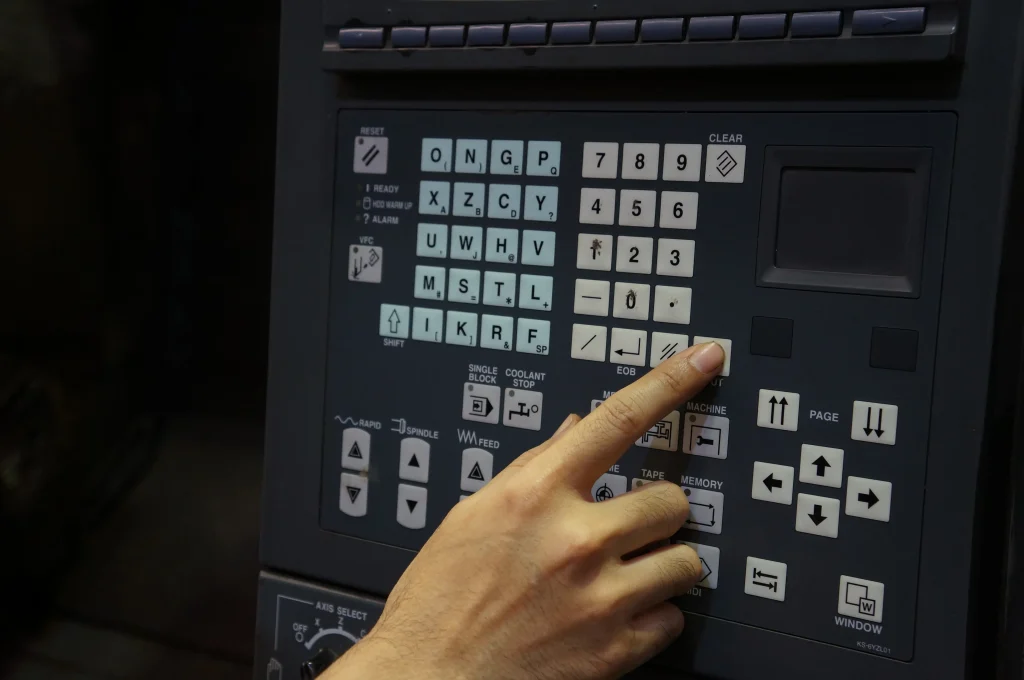
What Are Tactile Switches?
Tactile switches are simply a form of electrical switch with the primary function of opening and closing an electrical circuit. The difference between tactile switches and non-tactile switches is that they are designed in such a way which results in a physical sensory response upon actuation.
When the switch opens or closes a circuit, it provides a signal to the system it is connected to. The event that is triggered by this switch is ultimately up to the designer or programmer of the final product and its intended function. As an example, one of these events could be as simple as turning an LED on or off, but it could also be a more complex command, such as retrieving data algorithms from a satellite.
How Do Tactile Switches Provide Feedback To The User?
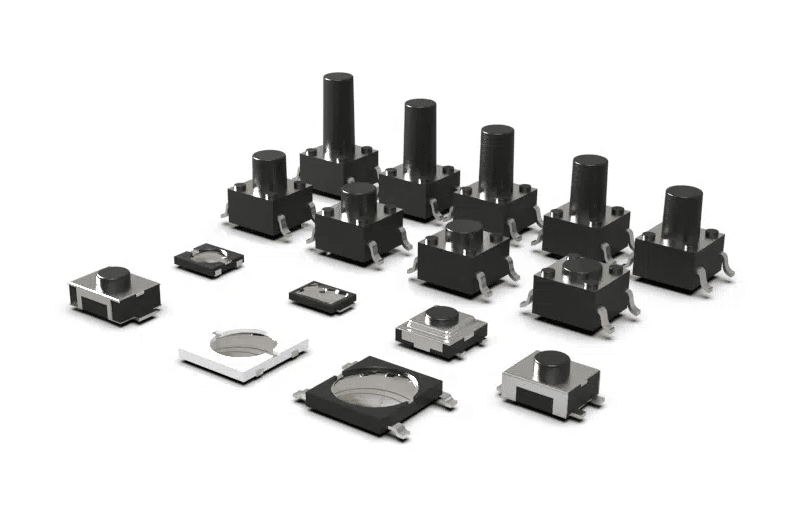
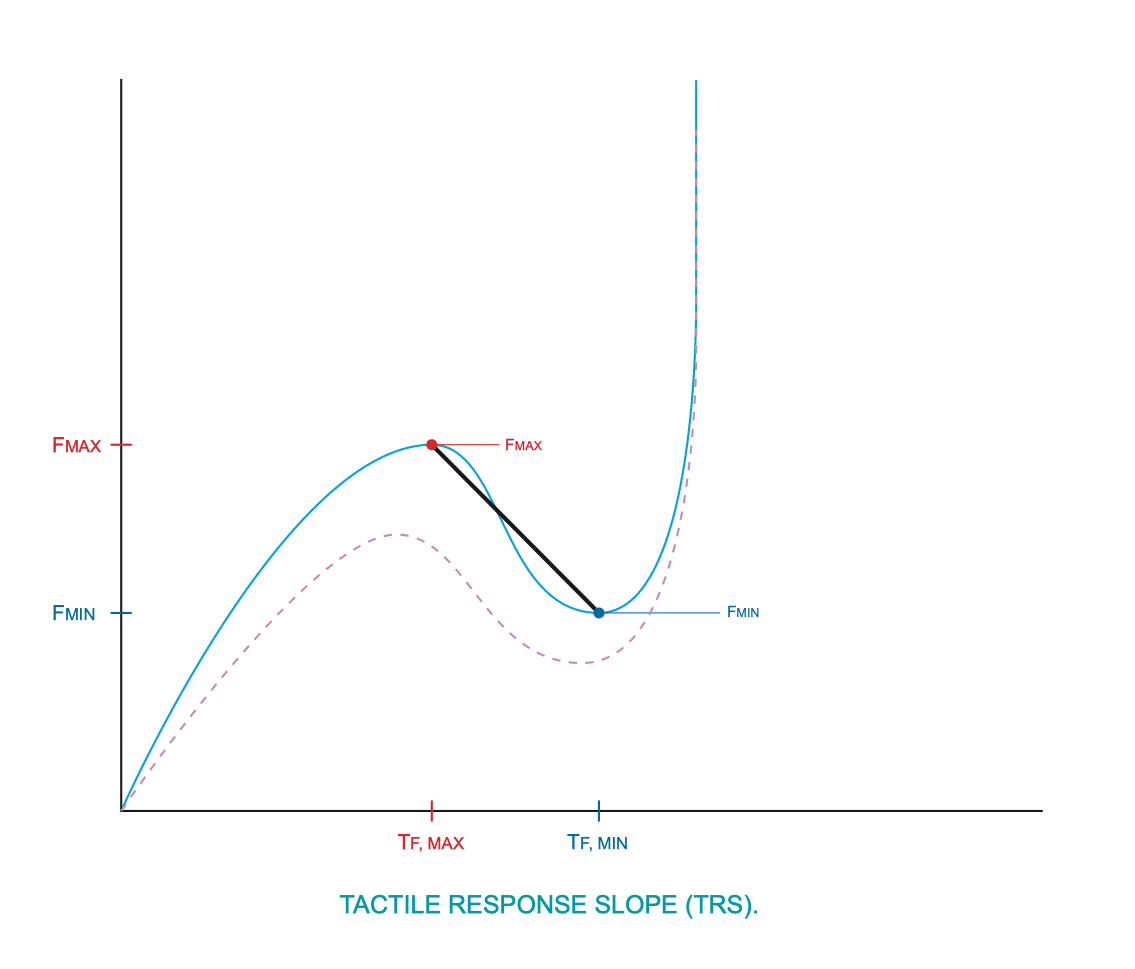
Tactile switches provide feedback to the user in the form of physical sensation. This sensation can be anything from a light bounce to a loud click, wholly dependent on the actuator chosen for the job.
The vast array of tactile actuation methods available is a bit overwhelming, but in the end, the method you choose will determine the type of tactile feedback you will receive. Metal Domes, SnapMax® switches, [most] component switches and PolyDome switches are all inherently tactile switches.
The feedback that these switching devices provide is what makes tactile switches so satisfying and addictive for many people. It helps to explain why tactile switches are so hard to put down, and why touch screens will never completely takeover as a substitute for mechanical switches.

Where Are Tactile Switches Generally Used?
Tactile switches are used in everyday life in a wide variety of ways. You likely use one at least once a week without even knowing it. They can be used as buttons or keys on devices like laptops, phones, vehicles, and medical devices, or they can be used as switches to control lights, appliances, industrial machinery and so on.
How Do I Choose The Right Tactile Switch For My Application?
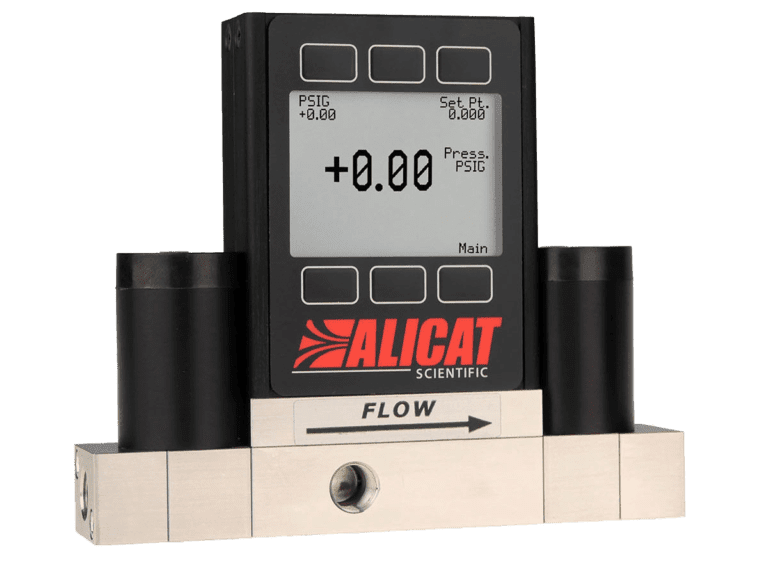
There are a many things to keep in mind when choosing a tactile switch. First, consider the type of feedback you want. How strong of a tactile response do you want for the interface? Second, think about the environment where the switch will be used. Will it be used indoors or outdoors? Will the switch be exposed to extreme temperatures, liquids, or other hazardous conditions? Finally, consider the size, shape, and quantity of switches needed. You want to make sure it will be comfortable to use and provides a layout that is easy to navigate.
No matter what your needs are, there is a tactile switch out there that is qualified to meet the needs of your interface design and with so much to take into account, we recommend contacting us today and our experts will help guide you through the design and manufacturing process with ease.